Introduction
Neuromodulation rTMS is a modern treatment for certain brain conditions. It uses gentle magnetic pulses to help the brain work better. Many people know it as a non-invasive brain stimulation method. In fact, rTMS stands for repetitive Transcranial Magnetic Stimulation. This therapy is gaining attention for its role in treating depression and other mental health issues. Let’s explore how neuromodulation rTMS works, its benefits, and what you can expect from this treatment.
What is Neuromodulation – rTMS?
Neuromodulation means changing how the brain works using special tools. rTMS is one type of neuromodulation treatment. It does not require surgery or needles. Instead, it uses a device placed on your head. This device sends magnetic pulses to certain brain areas. As a result, it can help improve mood and thinking. Doctors often use rTMS therapy for depression, especially when other treatments have not worked.
How Does rTMS Work?
During rTMS, a small coil is placed on your scalp. The coil sends quick magnetic pulses to the brain. These pulses are painless and safe. They help change the activity of brain cells. Over time, this can improve symptoms of depression and other conditions. Because rTMS is non-invasive, you do not need anesthesia or recovery time. According to the World Health Organization, non-invasive brain stimulation is a promising option for mental health care.
Indications and Benefits of rTMS
Doctors use rTMS for several reasons. Most often, it helps people with depression who have not improved with medicine. However, rTMS may also help with:
Anxiety disorders
Obsessive-compulsive disorder (OCD)
Post-traumatic stress disorder (PTSD)
Some types of chronic pain
There are many benefits to rTMS therapy:
It is non-invasive and does not require surgery
You can return to normal activities right after treatment
It has fewer side effects than many medicines
Sessions are short, often lasting 20 to 40 minutes
For many, psychiatric neuromodulation like rTMS offers hope when other treatments have failed.
What to Expect During rTMS Treatment
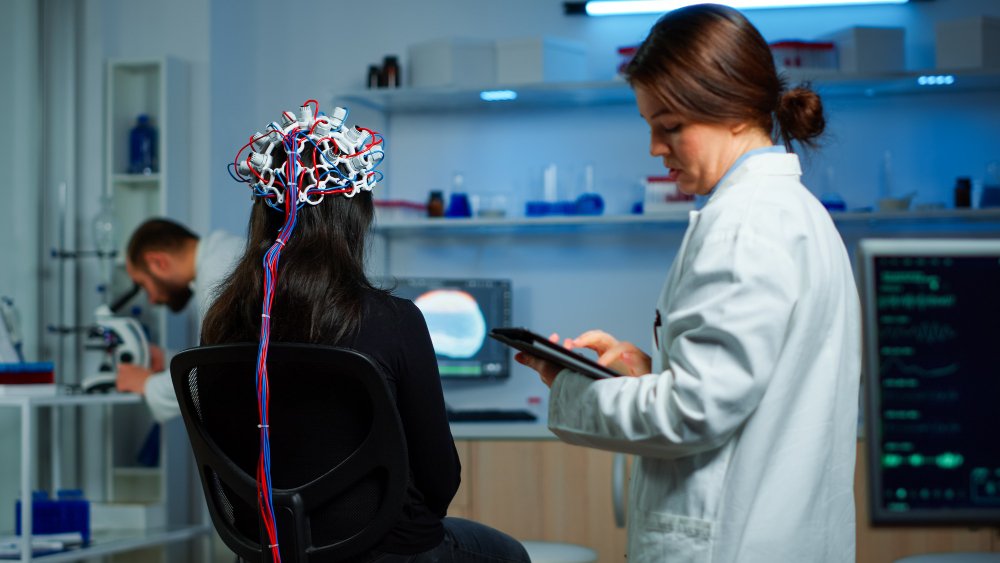
Before starting, your doctor will explain the process. You will sit in a comfortable chair. The doctor will place the coil on your head. You may hear clicking sounds as the machine works. Some people feel a light tapping on their scalp. Each session usually lasts less than an hour. Most people need several sessions over a few weeks. After each session, you can go home and continue your day as usual. Importantly, you do not need to stay in the hospital.
Potential Side Effects and Safety
rTMS is safe for most people. However, like any treatment, it can have side effects. Common side effects include:
Mild headache
Scalp discomfort
Light tingling or twitching in facial muscles
These effects usually go away soon after treatment. Rarely, rTMS can cause more serious problems, such as seizures. But this is very uncommon. The Centers for Disease Control and Prevention (CDC) and other health groups say rTMS is generally safe when given by trained professionals.
Frequently Asked Questions
Is rTMS painful? No, most people feel only mild tapping or tingling.
How many sessions do I need? Usually, people need 20 to 30 sessions over four to six weeks.
Can I take my regular medicine? Yes, you can often continue your usual medicines. Always check with your doctor first.
Will I need time off work? No, you can return to work or school right after each session.
Prevention and Lifestyle Guidance
While rTMS can help with certain conditions, healthy habits also matter. For example, regular exercise, a balanced diet, and enough sleep support brain health. Staying connected with friends and family can also improve your mood. If you notice changes in your mental health, talk to a doctor early. Early care can prevent problems from getting worse.
Conclusion
In summary, neuromodulation RTMS is a safe, non-invasive brain stimulation therapy. It offers hope for people with depression and other conditions. If you want to know if RTMS is right for you, consult a mental health specialist at Lotus Neuropsychiatry Speciality Clinic for personalized guidance.